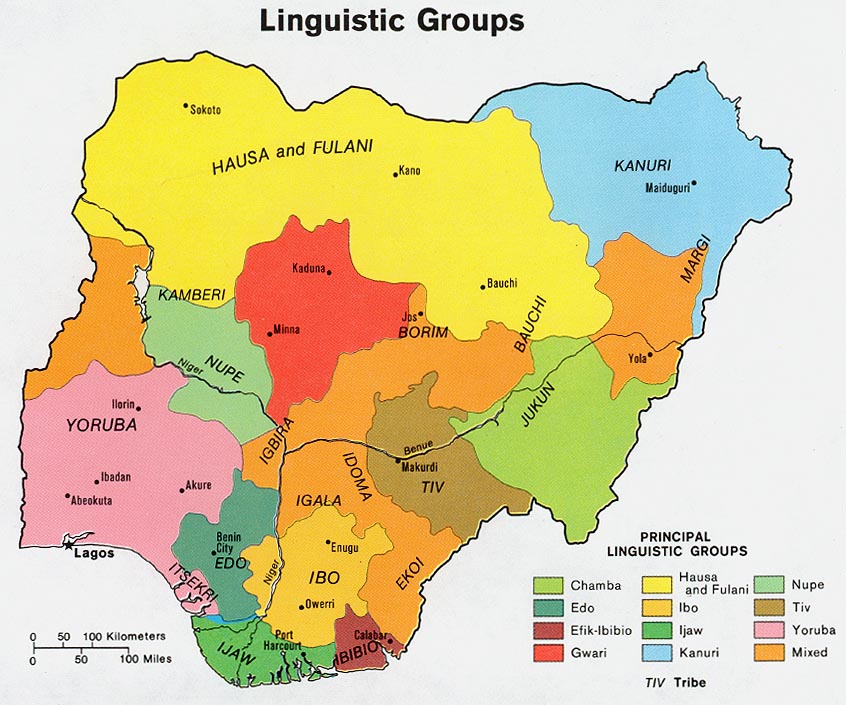
The Ikpeshe, also known by the name of their town Ikpeshi, are a small people group living in the Akoko-Edo Local Government Area in the northern part of Edo State, Nigeria. Their homeland sits in a rugged landscape of ancient ridges, rocky hills, and forested terrain that characterizes the broader Akoko-Edo region, which lies near the confluence of the Niger and Benue Rivers — a geographic crossroads that has historically drawn migrations, trade, and cultural exchange from multiple directions. The Ikpeshe speak the Ikpeshi language, known by the ISO 639-3 code "ikp," a tongue classified within the Guinean language cluster of the Sub-Saharan Peoples affinity bloc. Ikpeshi is a language, distinct from the dominant languages of the wider Akoko-Edo area such as Okpameri and Etuno, reflecting the remarkable linguistic diversity of a region where some eight distinct languages are spoken across a relatively small geographic area. The Akoko-Edo area has a layered history of migration and political change. Most communities in the region trace their origins to migrations from Benin, from Yoruba country to the west, or from Idah to the east, with the Benin Kingdom's expansion under Oba Ozolua in the late fifteenth century having a significant influence on settlement patterns in the area. Colonial rule brought the region under British administration, and the Akoko-Edo area was eventually formally organized as a Local Government Area, which it has remained as the oldest and largest continuously organized LGA in Nigeria. The Ikpeshe carry their own distinct identity within this mosaic of peoples, and the completion of the New Testament in their Ikpeshi language as recently as 2023 marks a landmark moment in their spiritual history.
The Ikpeshe are primarily subsistence farmers, cultivating the hilly terrain of their homeland to grow staple crops such as yams, cassava, maize, sorghum, and a variety of vegetables. The New Yam Festival, celebrated widely across the Akoko-Edo region, marks the annual harvest season and serves as one of the most significant communal events of the year, bringing families and community members together for feasting, music, masquerade performances, and thanksgiving. Masquerade festivals also hold an important place in the cultural calendar, with masked performances serving not merely as entertainment but as a vehicle through which ancestral and spiritual forces are understood to engage the community. Trading at local markets provides supplemental income, and women in particular play an active role in small-scale commerce.
Family life is centers on extended kinship networks, and community decisions traditionally flow through local chiefs and elders whose authority carries both civil and spiritual weight. The rocky hills and scenic terrain of the Akoko-Edo region have made road construction challenging, and many communities in the LGA, including Ikpeshi, contend with limited access to paved roads, reliable electricity, piped water, and modern healthcare facilities. Young people from the Ikpeshe community, like those from many rural Nigerian communities, often migrate to urban centers such as Benin City, Lagos, or Abuja in search of work and education, a trend that strains community cohesion and puts pressure on the transmission of language and cultural identity to the next generation.
The majority of the Ikpeshe continue to practice traditional ethnic religions, which form the dominant spiritual framework in their community. These indigenous beliefs center on the veneration of ancestors, the propitiation of nature spirits associated with the hills, rivers, and forest, and a worldview in which the spiritual and physical realms are deeply intertwined. Ritual specialists and diviners hold recognized roles in community life, and traditional ceremonies connected to agriculture, healing, and community governance carry religious significance.
A significant minority of the Ikpeshe identify with Christianity, and a small number of evangelical believers are present in the community. The completion of the New Testament in the Ikpeshi language in 2023 — alongside the earlier publication of Bible portions and the availability of the JESUS Film in Ikpeshi — represents a historic provision of Scripture in the heart language of the Ikpeshe people, a gift of immeasurable potential for those who are seeking the living God. The great spiritual need among the Ikpeshe is that the majority who have not yet turned to Christ would hear and respond to the gospel, and that those who have already believed would be grounded in the Word so that the church among the Ikpeshe might truly take root and grow.
Access to basic infrastructure — reliable roads, clean water, and consistent healthcare — remains a pressing challenge in the hilly, rural areas of Akoko-Edo where the Ikpeshe live. Educational resources and opportunities for young people are needed so that the community is not limited to outmigration as the only path to a better livelihood. Preservation and development of the Ikpeshi language is a significant need, particularly as the newly completed New Testament requires trained readers and teachers to help the community engage with Scripture in their own tongue. Evangelism and church planting among the Ikpeshe are urgent spiritual needs, given that ethnic religious practice remains the dominant faith of the majority. The small number of evangelical believers in the community needs the support of discipleship, biblical teaching, and fellowship with the wider body of Christ in Nigeria to become strong enough in faith to bear witness effectively to their own people. Faithful, culturally rooted pastors and evangelists who speak Ikpeshi fluently would be invaluable gifts to this community. The Ikpeshe also live in a Nigerian state where Christians, particularly in more isolated communities, can face pressure, and prayer for protection and freedom to share the gospel openly is a real and legitimate need.
Ask God to awaken hearts among the Ikpeshe to the good news of Jesus Christ, and pray that the newly completed New Testament in Ikpeshi would become a living instrument of the Spirit to bring conviction, faith, and new life to many in this community.
Pray that the small number of evangelical believers among the Ikpeshe would be strengthened and built up in their faith, finding fellowship with one another and growing into a courageous witness within their own community.
Petition God for workers — evangelists, church planters, and disciplers — to go to the Ikpeshe with the gospel.
Ask the Lord to provide practical blessings for the Ikpeshe community: better roads and access to healthcare, clean water, and quality education for their children.
May young Ikpeshe who migrate to cities encounter vibrant, gospel-centered churches that will disciple them.
And pray that in God's good time, a thriving Ikpeshe church would arise — one that not only transforms its own community but also sends messengers of grace to the many unreached peoples of Nigeria and West Africa.
Scripture Prayers for the Ikpeshe in Nigeria.
https://en.wikipedia.org/wiki/Akoko_Edo
https://en.wikipedia.org/wiki/Edo_State
https://www.edoworld.net/Akoko_Edo_Home.html
https://www.edoworld.net/TRADITIONS_OF_ORIGIN_AND_HISTORY_OF_AKOKO_EDO_PEOPLE.html
https://www.abodundefarms.com/post/home-sweet-akoko-edo
https://www.thehopenewspaper.com/traditional-festivals-in-akoko-edo-celebrating-womanhood-during-uzoro-festival/
https://live.bible.is/bible/IKPMLT
https://www.jesusfilm.org/watch/jesus.html/ikpeshi.html
| Profile Source: Joshua Project |